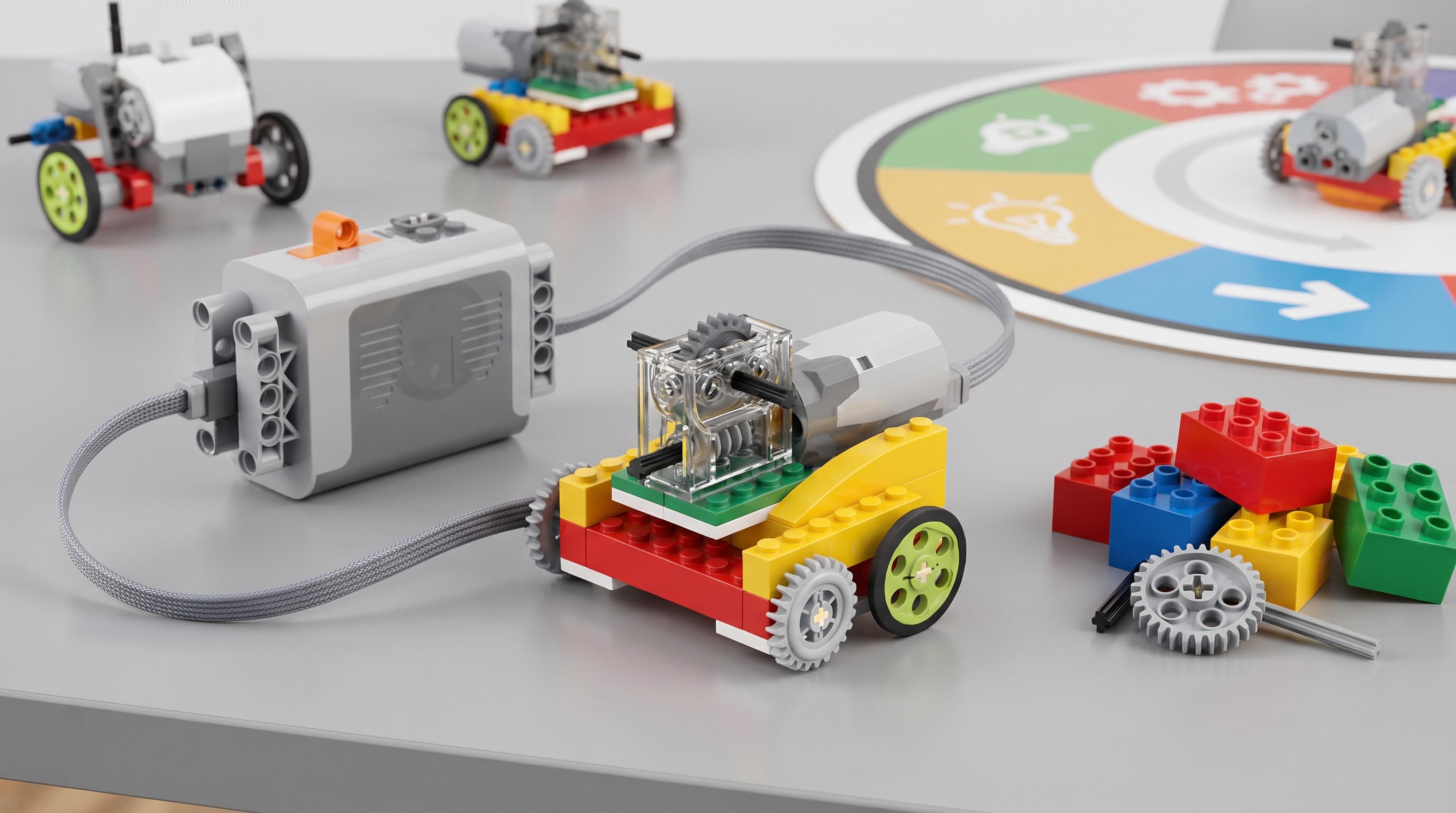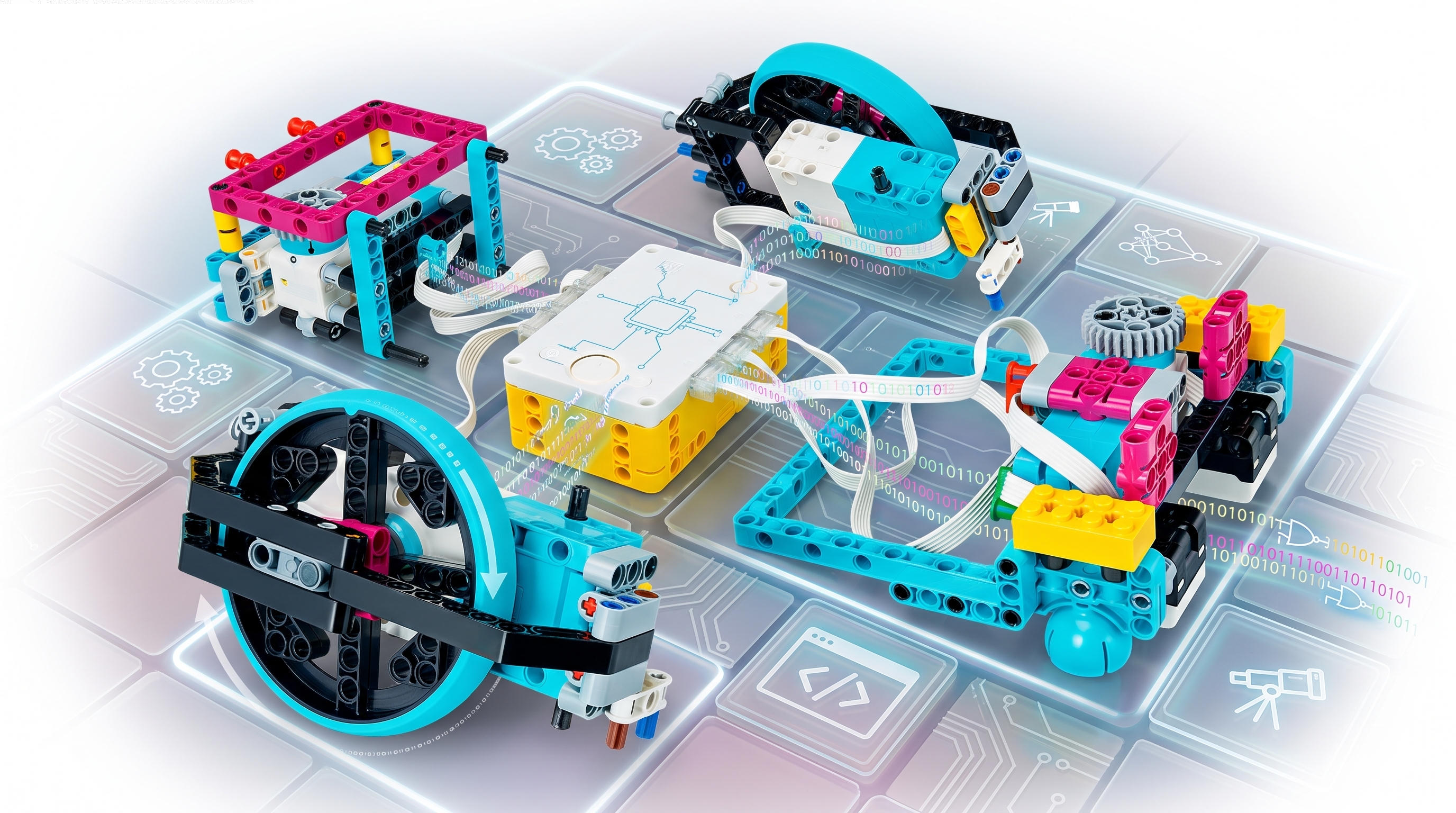


Week 1
Spur gear transmission
The simplest gear. Speed vs torque trade-off.
Gears, motors and mechanisms — the making of a maker.
This is a home/kit-based subscription you build together each week — not our in-centre term classes or workshops (those are booked via Events).
This program needs the Robo Engineers Home Program Kit — $100.00 (sold separately).In stock View kit →Robo Engineer is where kids stop following instructions and start thinking like engineers. Every week focuses on a specific transmission concept — spur, bevel, worm, rack-and-pinion — so by term's end students can look at a real-world machine and reason about how it works.
Enrol in the Home Program above, or if you'd rather learn in-centre, we run weekly term classes and holiday workshops too.
A concept-driven progression — every week unlocks a new STEM idea, with the exact builds refreshed each term.
The simplest gear. Speed vs torque trade-off.
Turn horizontal rotation into steering. 90° axis change.
Propellers from a chained drive-train.
Synchronous rotation between wheels via belts.
Slow, high-torque motion for lifting loads.
Perpendicular rotation for rotors and carousels.
Convert rotation to linear lift.
Combine gears, belts and linear motion in one build.
Curriculum evolves each term — example builds shown; your child's exact models rotate to keep every term fresh.
A cross-section of the 60+ full curriculum — with the exact mechanism each build teaches.
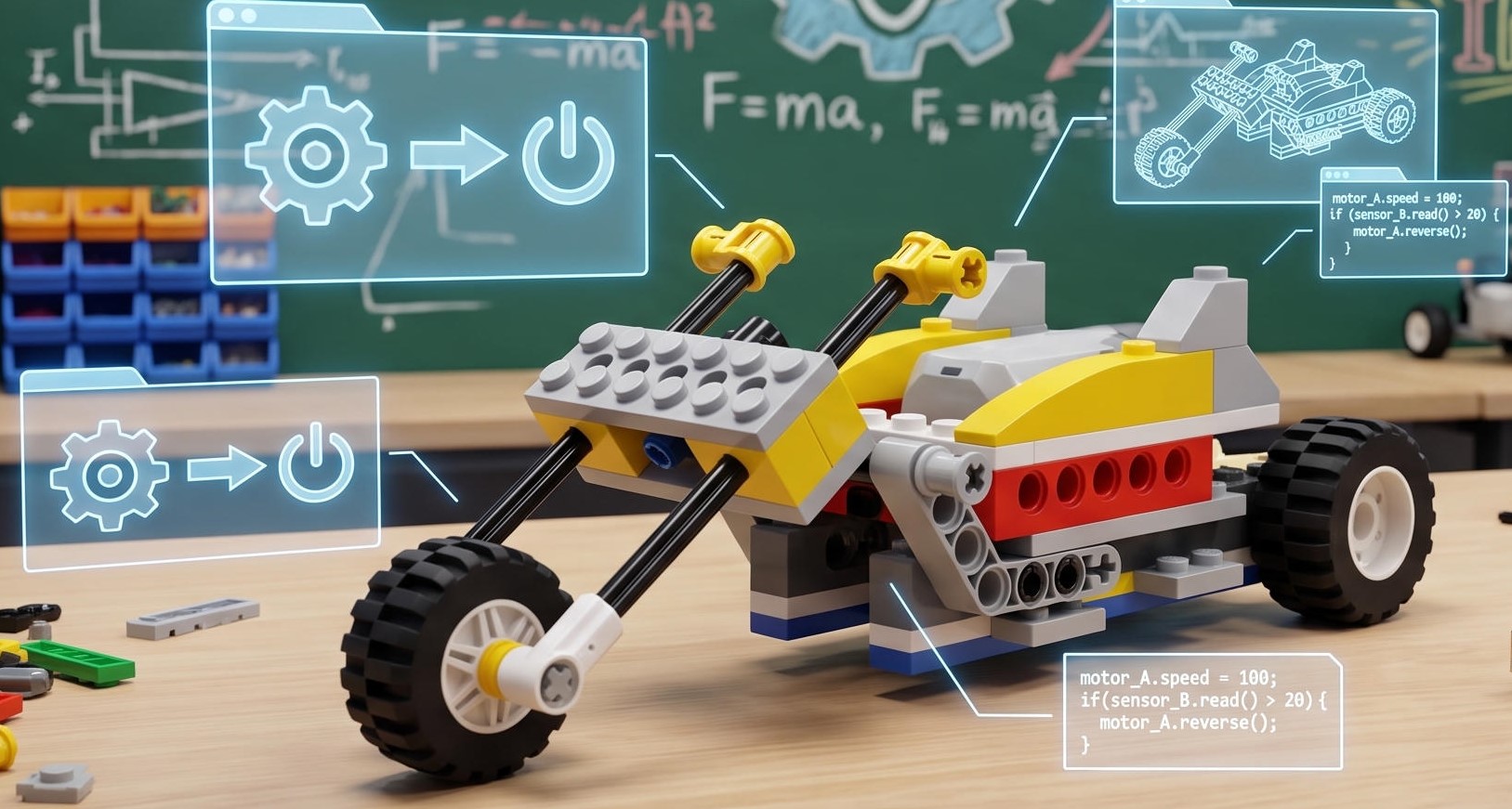
The drive is made on a bevel gear. The steering wheel can be turned, ride straight, backward or in a circle.
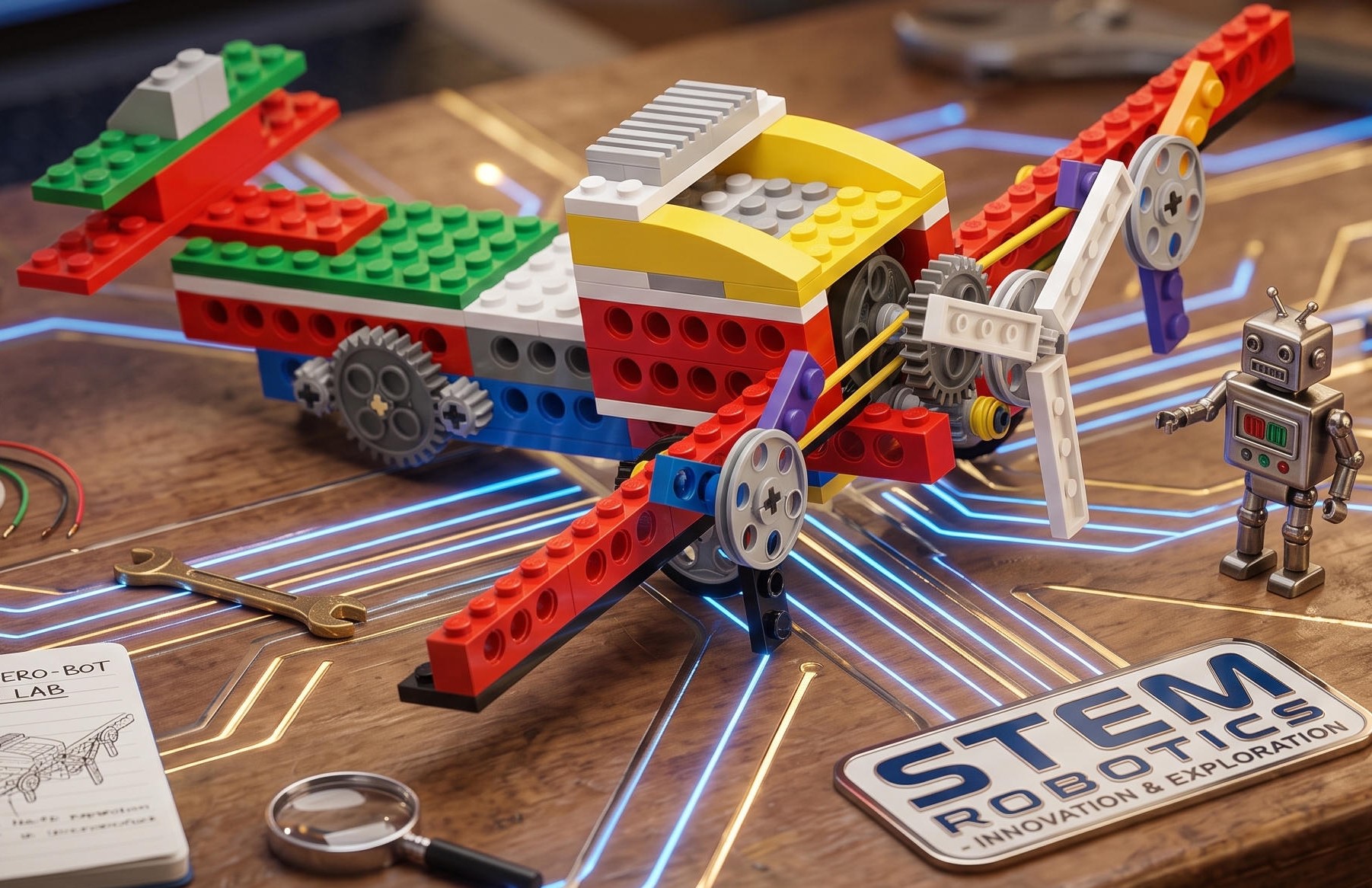
The rotation of the propeller is realized with the help of a multi-link system of mechanical transmissions.

The model uses a bevel gear to set the truck in motion.

An increasing cylindrical gear is used.

The drive uses a bevel gear that converts rotation from horizontal to vertical.
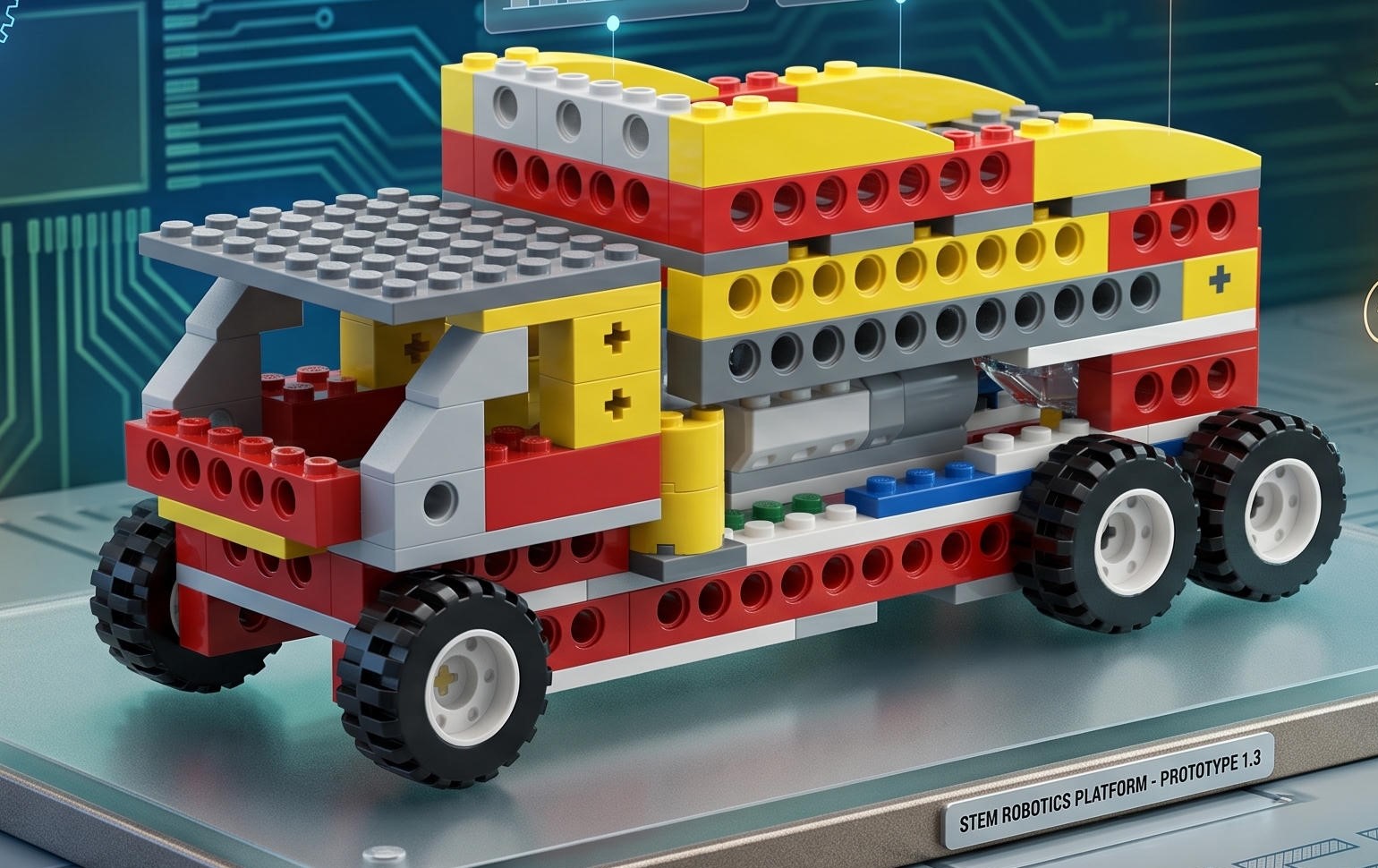
Drive is made on a worm gear. The raising and lowering of the body is controlled by a smart motor.
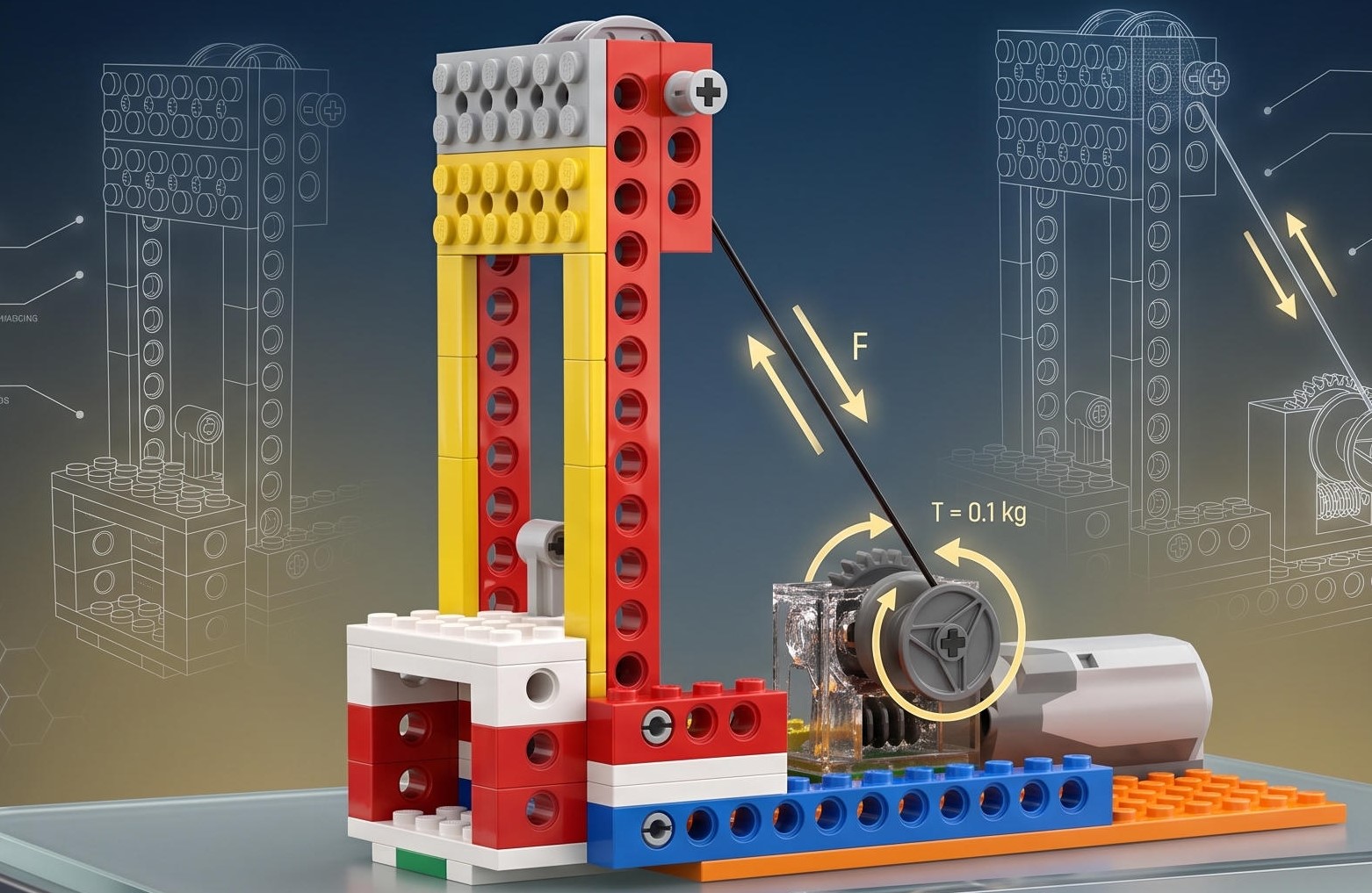
The movement of the cabin occurs due to the winding of the cable on a reel mounted on the driven shaft of the worm gear.
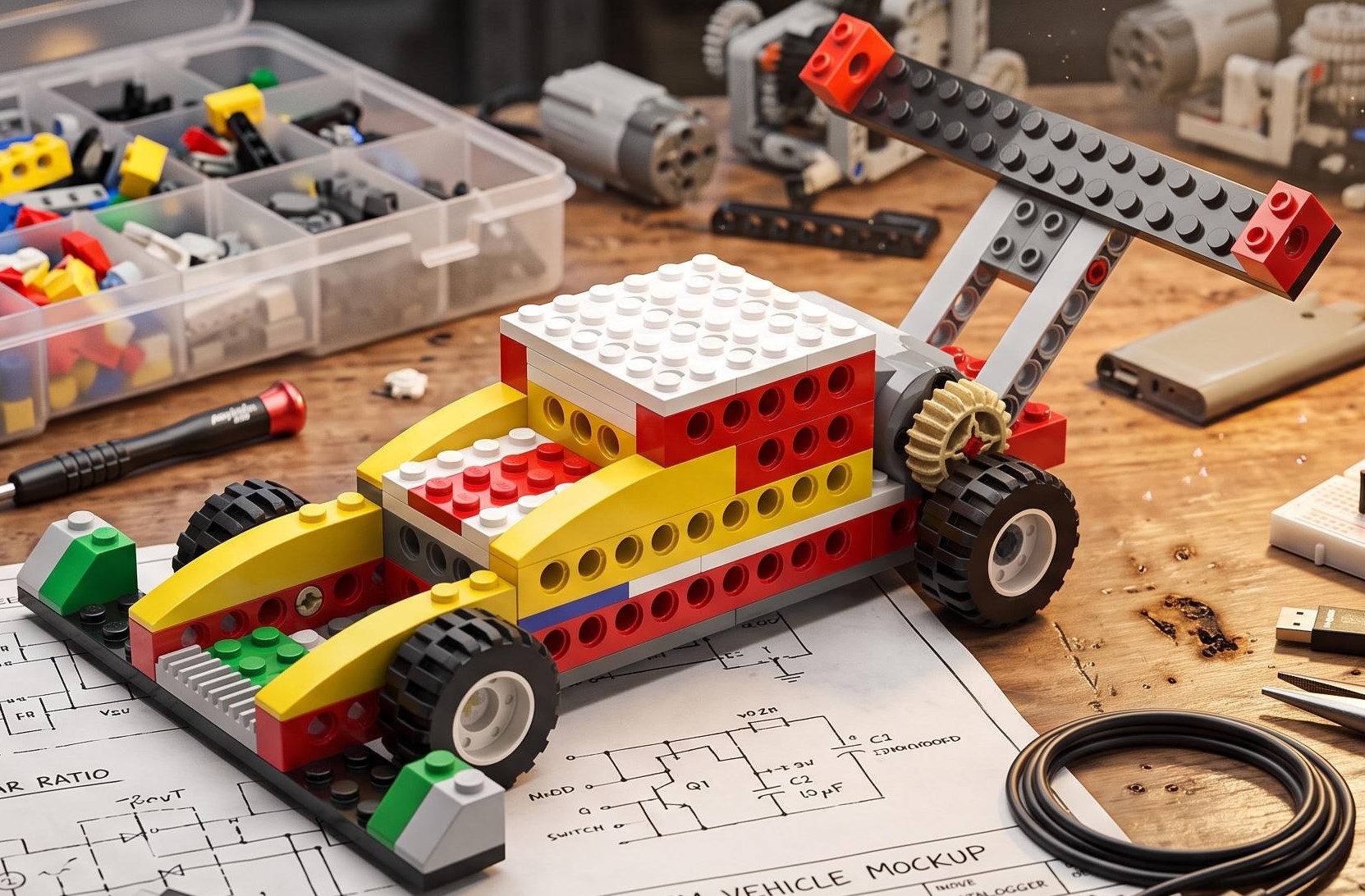
The drive is made on a spur gear.
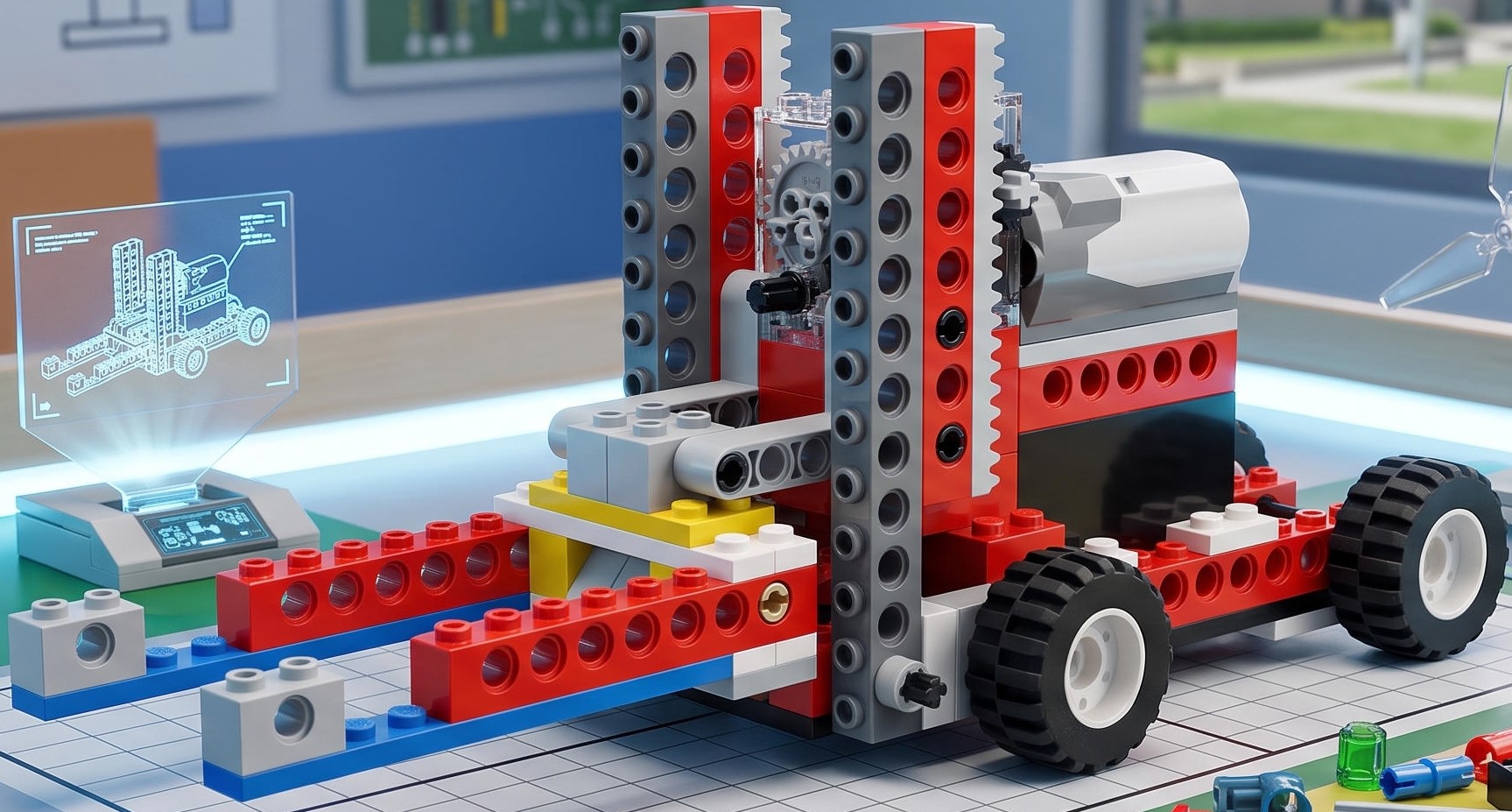
A combination of worm and rack-and-pinion gears is used.
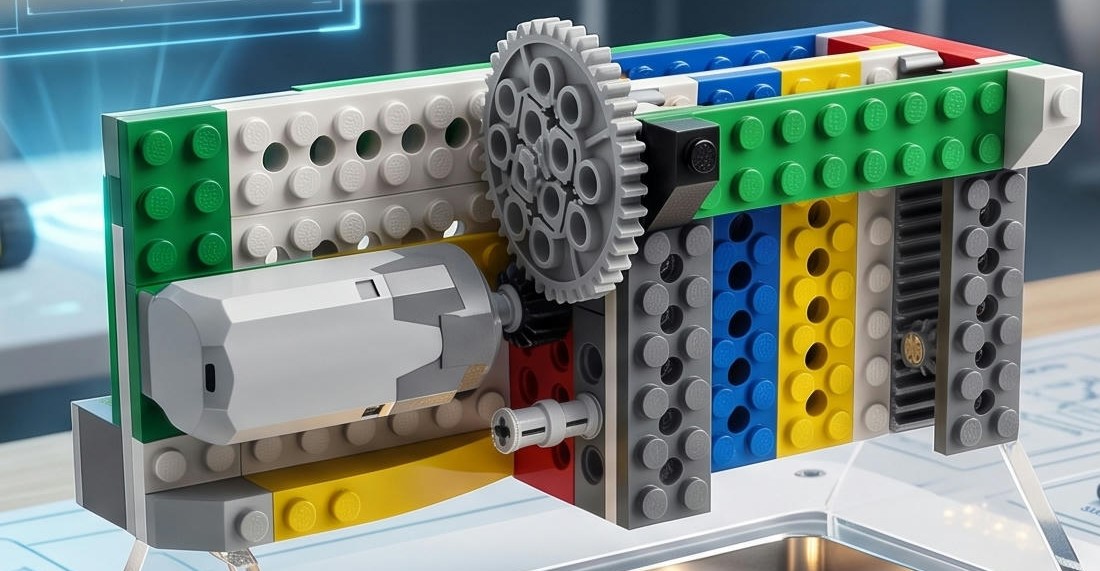
A combination of belt and bevel mechanical gears operates the sliding doors.
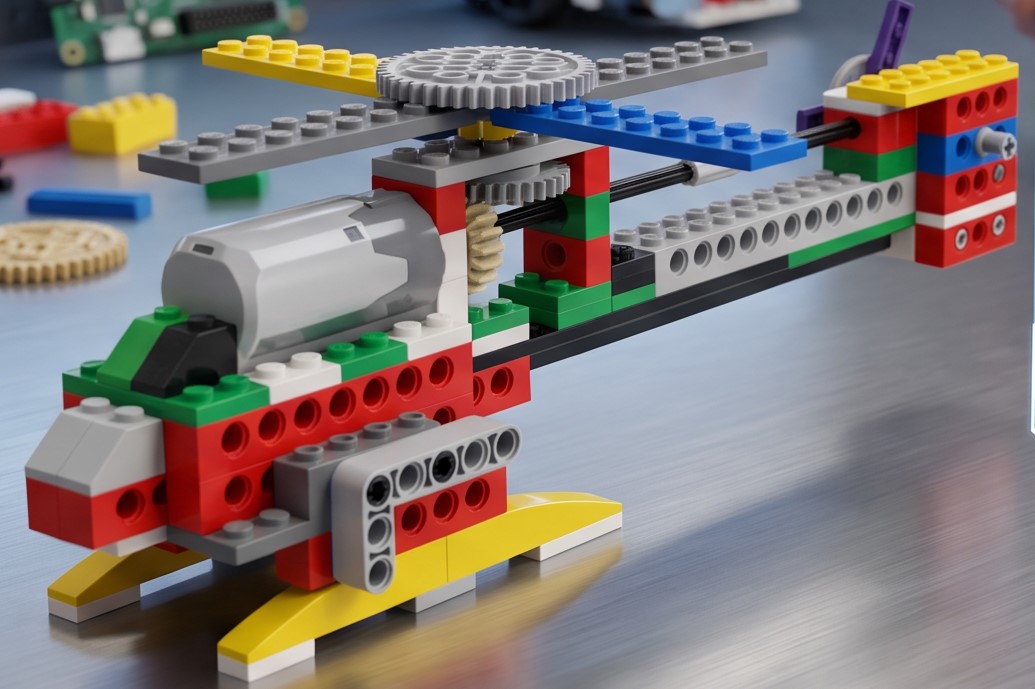
A crown gear rotates the main and auxiliary propellers of the helicopter.
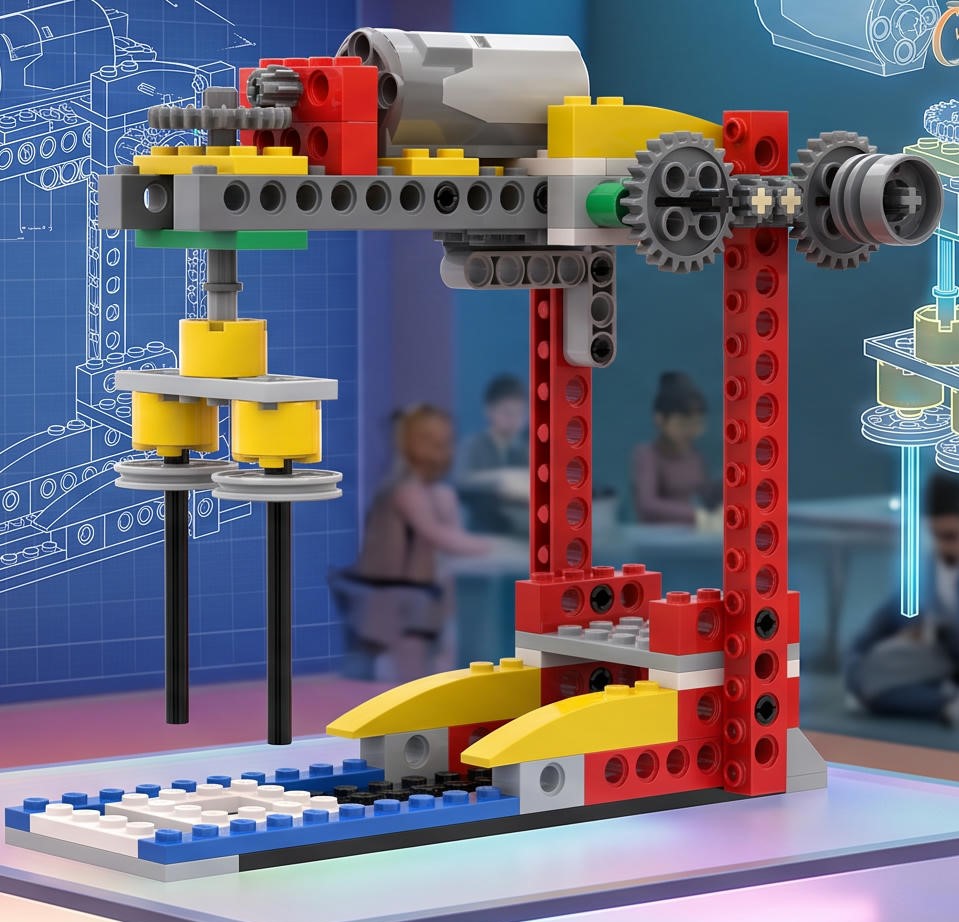
The rotation drive of the mixer rims is made on a bevel gear — transforming rotation from horizontal to vertical.
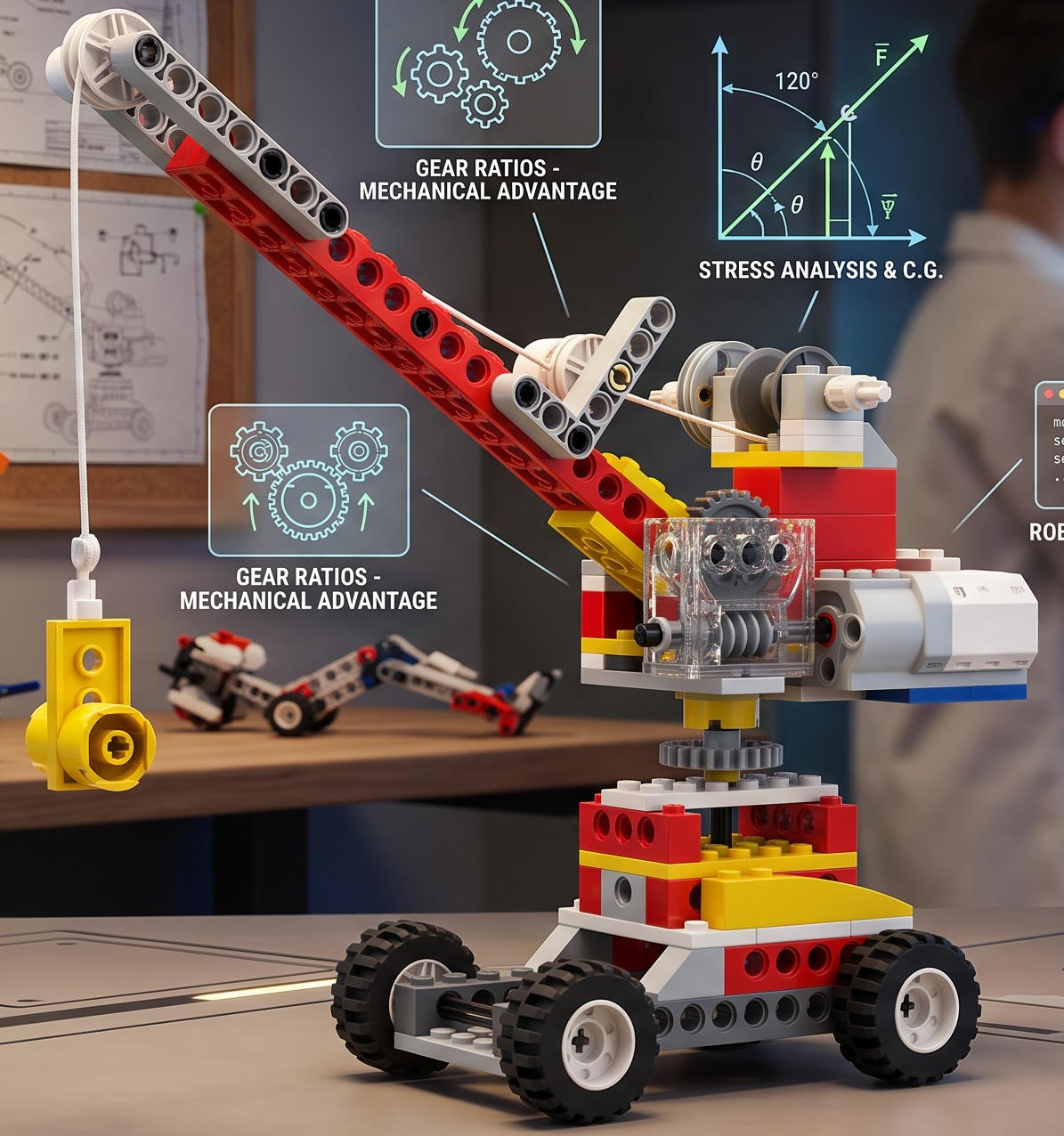
The crane boom is lowered and raised by a worm gear drive.
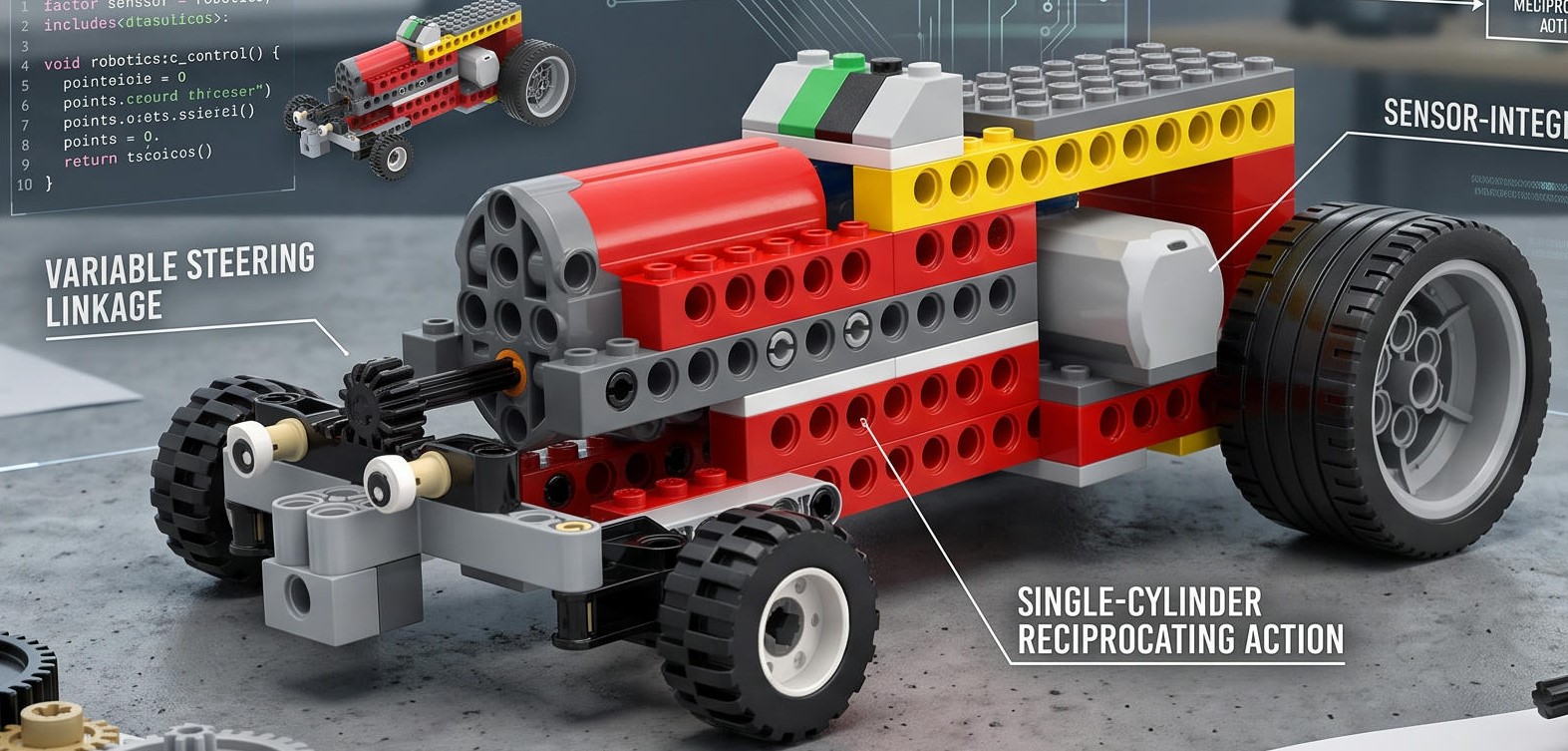
Gear reducing speed transmission — a smaller drive gear turns a larger driven gear.
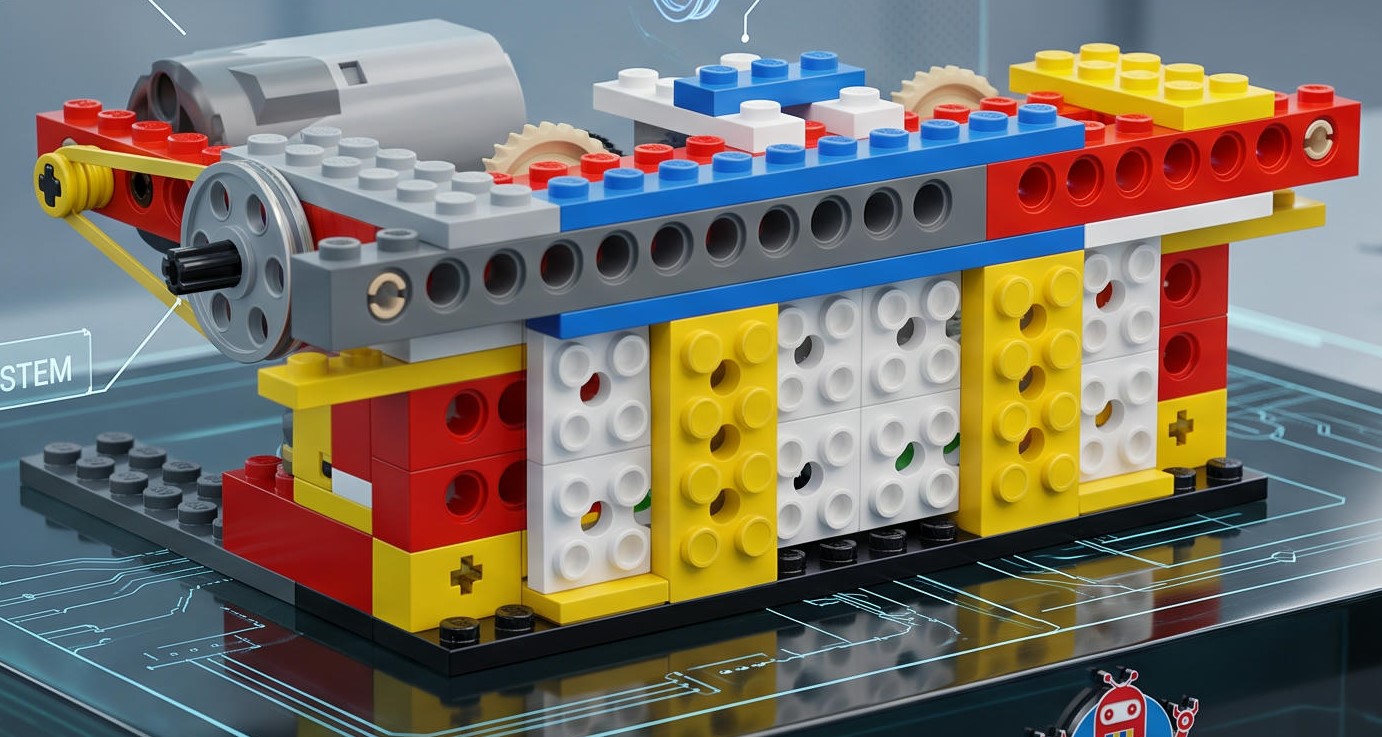
The servo motor controls the steering mechanism, able to rotate through a 90° angle.
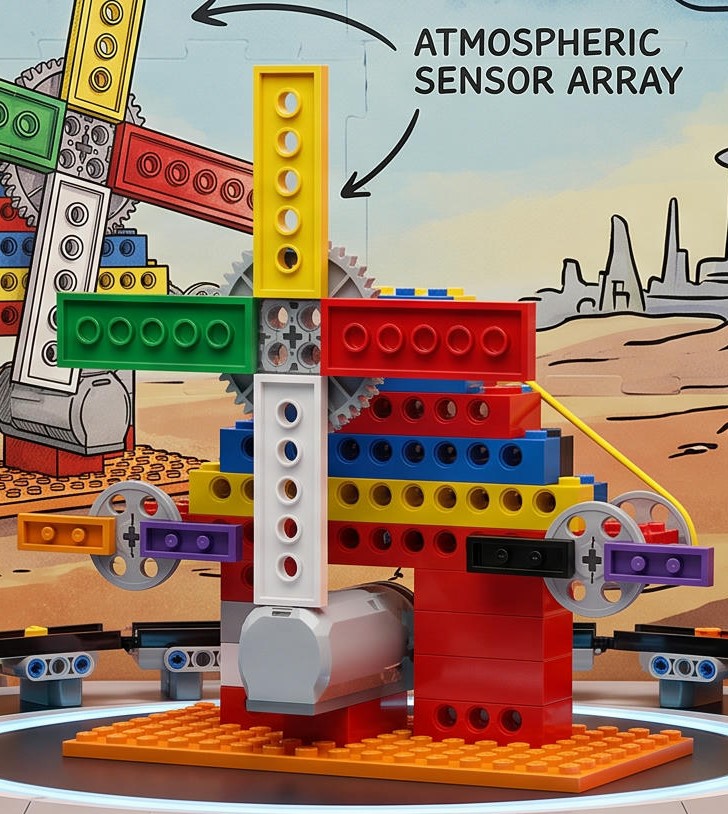
A combination of belt and bevel gears ensures synchronous rotation of both the mill blades and the mill wheel.